




Walk into any pet store today and you’ll find shelves full of shiny tubs and bottles promising super strength, super coat, super immunity—and maybe even superpowers. It’s confusing, but the truth is simple: dogs don’t need everything.
They only need supplements that genuinely support their real, everyday health needs.
This guide breaks down the most important types of supplements for dogs, explaining what works, what doesn’t, and how to choose wisely.
What Are Supplements for Dogs?
Dog supplements are extra nutrients designed to fill small gaps in your dog’s diet. They support everyday needs like digestion, immunity, skin health, and mobility. They aren’t medicines, but they can support long-term well-being, comfort, and preventive health when chosen appropriately.
Fact Check: Giving supplements randomly doesn’t offer any extra benefits, but preventive, purpose-based supplementation, especially for gut, skin, joints, and overall vitality, helps avoid future issues and strengthens daily wellness.

</br>
Types of Dog Supplements and What They Actually Do:
1. Joint Supplements for Dogs
Joint supplements support cartilage, reduce stiffness, and make movement more comfortable—especially for senior dogs, large breeds, or active pets.
Key ingredients that work:
-
Glucosamine
-
Chondroitin
-
MSM
-
Collagen
These ingredients maintain mobility and help keep joints healthy as dogs age.
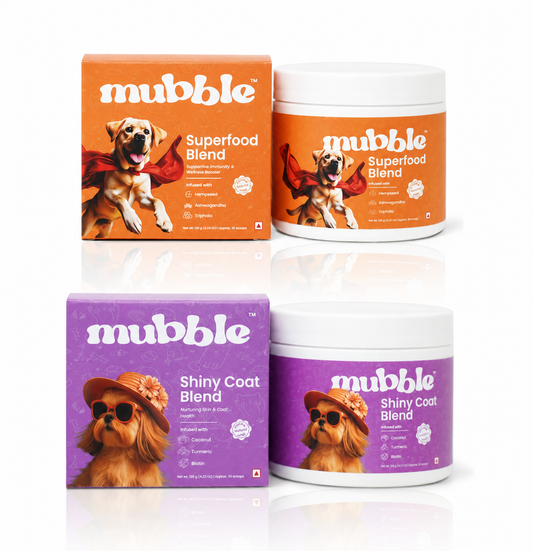
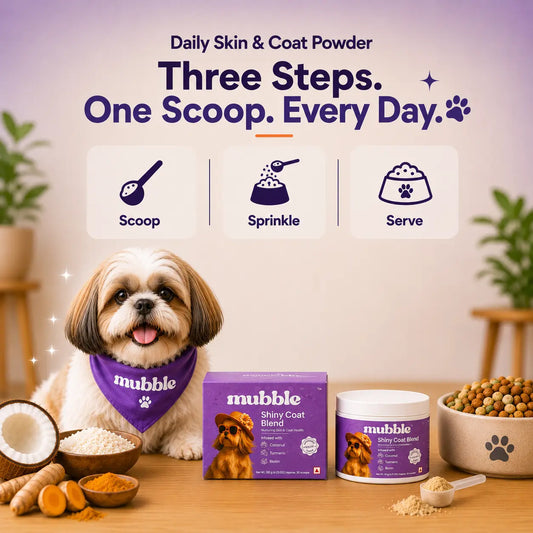
2. Skin and Coat Supplements for Dogs
If your dog struggles with itching, dryness, irritation, or a dull coat, skin and coat formulas can help hydrate and nourish from within.
Most effective ingredients:
-
Plant-based Omega-3 fatty acids (from flaxseed, hempseed, chia, pumpkin seeds)
-
Natural antioxidants
-
Coconut-derived nutrients
These support skin hydration, reduce inflammation, and promote a glossy coat.
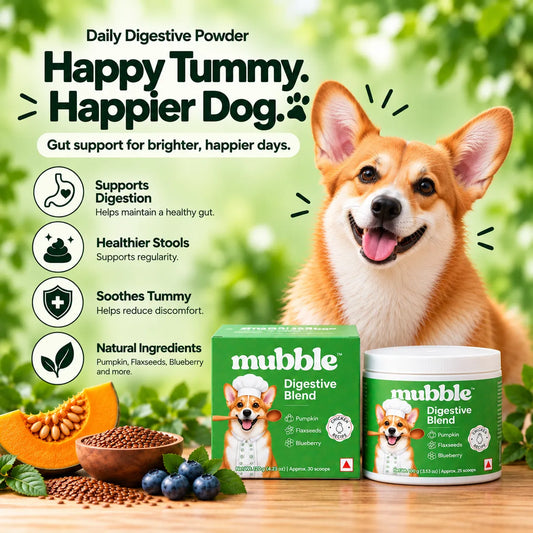
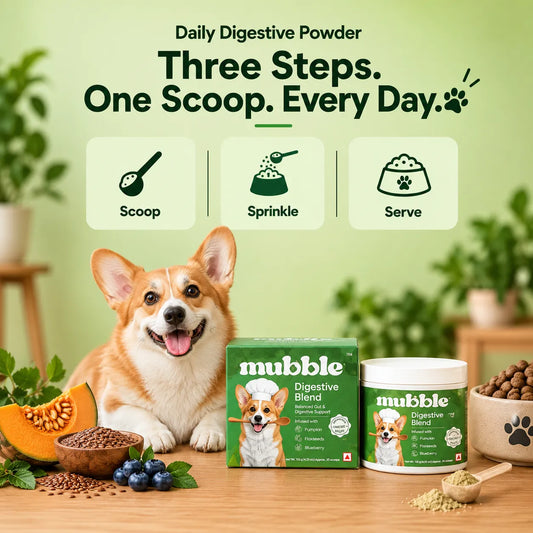
3. Digestive Supplements for Dogs
Digestive supplements help support smoother digestion, nutrient absorption, and gut balance.:
Digestive supplements may include:
-
Prebiotics
Feed beneficial gut bacteria and support healthy bowel movements. -
Postbiotics
Fermented compounds that strengthen gut health and immune response. -
Digestive enzymes
Help break down proteins, fats, and carbs for better digestion.
These are especially helpful for sensitive stomachs, gas, or inconsistent stools.
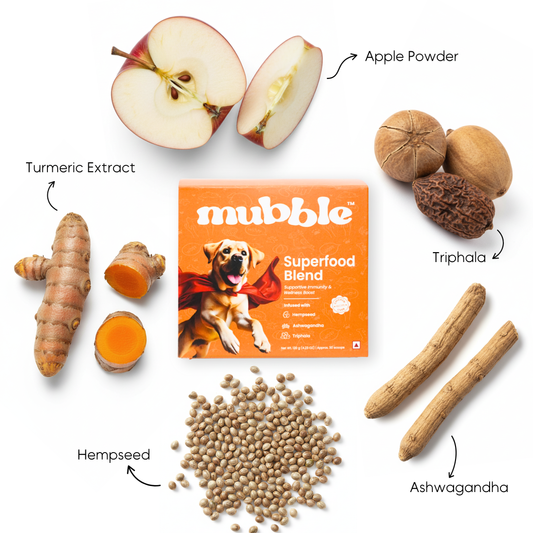
4. Immune System Supplements for Dogs
Immune supplements support daily resilience and overall well-being by strengthening natural defenses.
Helpful nutrients:
-
Natural antioxidants (like turmeric, berries)
-
Vitamin C & E
-
Postbiotics
-
Holistic herbs like Ashwagandha & Triphala
These work together to support vitality and better response to everyday stress.
5. Daily Wellness / Multivitamin Supplements for Dogs
Daily wellness supplements help support your dog’s overall health by filling small nutritional gaps. They often combine high-quality proteins, natural superfoods, and gentle herbal extracts to maintain energy, immunity, and everyday vitality.
Benefits include:
-
Supporting immune health
-
Promoting balanced daily nutrition
-
Enhancing overall energy and well-being
These blends act like “nutritional insurance” for dogs—great for picky eaters, busy families, or dogs needing a more balanced nutrient intake.
6. Energy and Strength Supplements for Dogs
Help support stamina, recovery, and long-term vitality.
Common ingredients:
-
B-vitamins
-
Amino acids
-
Gentle adaptogenic herbs (like ashwagandha)
These support calm energy and better daily performance.
7. Allergy Support Supplements for Dogs
Help soothe seasonal or environmental sensitivities.
Helpful ingredients:
-
Plant-based Omega-3 fatty acids
-
Quercetin
-
Natural anti-inflammatory herbs
These reduce irritation and support skin barrier health.

</br>
How to Choose the Right Supplement for Your Dog
1. Understand your dog’s real need
A senior Labrador may need joint care, while a young pup may only need prebiotics or postbiotics. Matching supplements to actual needs gives better results.
2. Always check the ingredient list
Avoid vague terms like “proprietary blend” or “natural mix.” Transparent labels = better products.
3. Choose expert-formulated brands
Look for supplements developed by nutritionists, researchers, or veterinary-aligned teams—like Mubble’s blends.
4. Start slow
Begin with half the recommended dose for a few days to prevent tummy discomfort.
5. Watch for allergies
Check for chicken, fish, or dairy bases if your dog has known sensitivities.

</br>
Common Myths About Dog Supplements
“Healthy dogs don’t need supplements.”
Partly true - But some breeds (like Labs, Shepherds, or Golden Retrievers) benefit from early joint or skin support, even if they seem healthy now.
“More supplements = better results.”
False - Over-supplementation can overload the system. Too much calcium or vitamin D can even be harmful.
“Human supplements work the same for dogs.”
Never give human supplements.They may contain xylitol, unsafe vitamin levels, or additives that are toxic to dogs.
Signs Your Dog Might Benefit from Supplements
-
Frequent scratching or licking
-
Slow movement or stiffness
-
Dull coat or excessive shedding
-
Gas, loose stools, or sensitive digestion
-
Low energy or slow recovery after walks

</br>
When Supplements Are NOT the Answer
Supplements cannot fix:
-
Infections
-
Sudden limping or injuries
-
Kidney or liver issues
-
Unexplained pain
-
Vomiting or severe digestive symptoms
These need a veterinary exam, not supplements.Supplements are meant for long-term wellness, not emergencies.
Final Thoughts
Dog supplements can truly improve your pet’s comfort, mobility, skin health, digestion, and overall happiness when chosen wisely. You don’t need ten different tubs, you just need the right ones.
Start with your dog’s actual needs, choose trusted formulations, and give them time to work.
Your pup will feel healthier, stronger, and happier every day.









0 comments